
100+ Paranormal Horror Stories:
Read or Listen for Free
Your Ultimate Paranormal Horror Archive with Professional Audio Narrations
Loading stories...
Showing 20 stories of 21 total
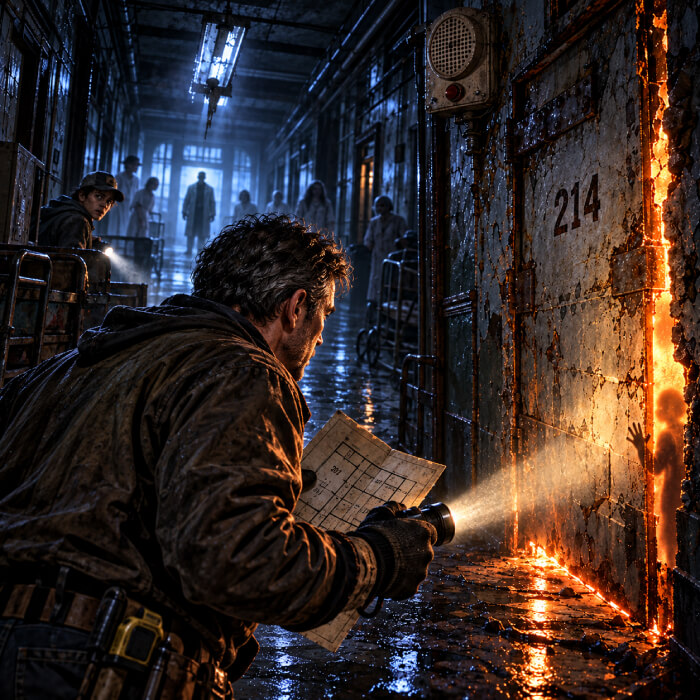
Behind Room 214
In 2003, Daniel takes a temporary cleanup job inside an abandoned Colorado institution scheduled for demolition. What begins as ordinary work quickly turns unsettling when an old intercom starts calling names, a sealed door appears where no room should exist, and the number 214 keeps showing up where it doesn't belong. As Daniel and his friend Eric dig deeper, they discover that the building may be holding onto more than abandoned furniture and forgotten records. Voices echo through dead speakers, people appear in empty hallways, and a hidden room seems to remember those who were once reduced to nothing more than numbers. But leaving the building doesn't mean leaving Room 214 behind. Years later, Daniel learns that some places don't disappear when they're demolished and some rooms are still waiting for someone to fill the last empty bed.
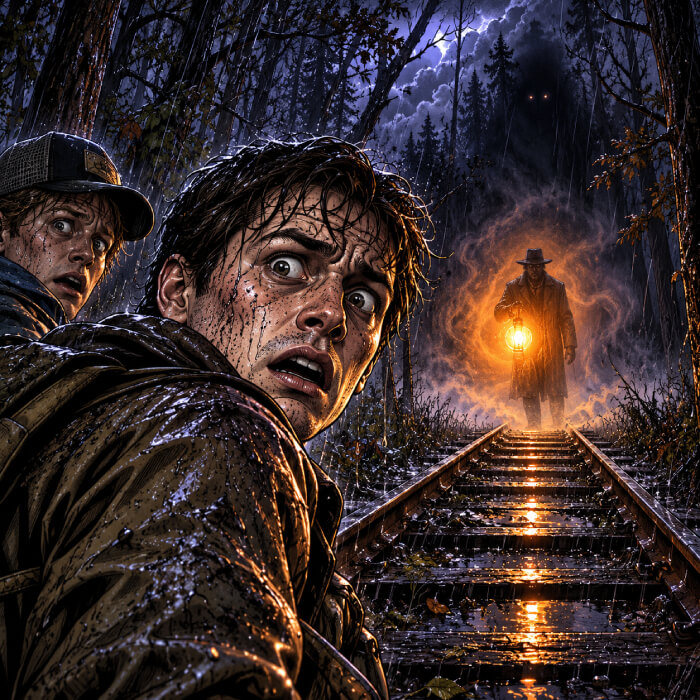
The Light at Mile 19
Two friends head deep into the Arkansas woods to investigate a strange light said to appear along an abandoned stretch of railroad tracks. What begins as a late-night thrill quickly turns into something far more disturbing when the light starts following them home. As the sightings grow closer, old disappearances and forgotten names begin to surface. Soon, the terrifying truth becomes clear: the light isn't hunting anyone. It's trying to warn them. But whatever walks behind it doesn't just make people disappear. It erases every trace that they ever existed.
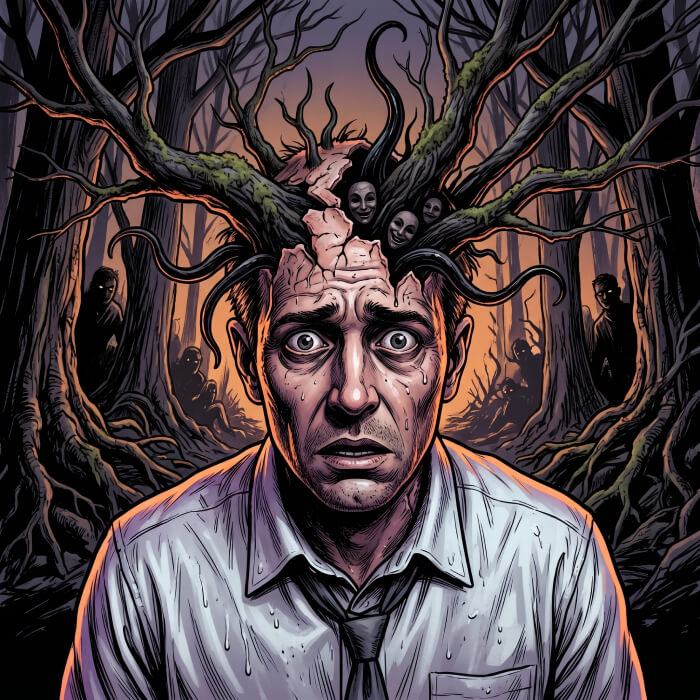
I Think I Was Chosen
When a lonely office worker is invited into a welcoming community hidden in the woods, it feels like the meaningful connection he's been missing for years. The people are kind, the atmosphere is comforting, and for the first time in a long while, he feels like he belongs. But strange comments, unsettling attention, and a growing sense that everyone knows something he doesn't begin to turn that comfort into dread. This is a psychological cult horror story about loneliness, manipulation, and the terrifying realization that some invitations are impossible to decline—even after you've escaped.
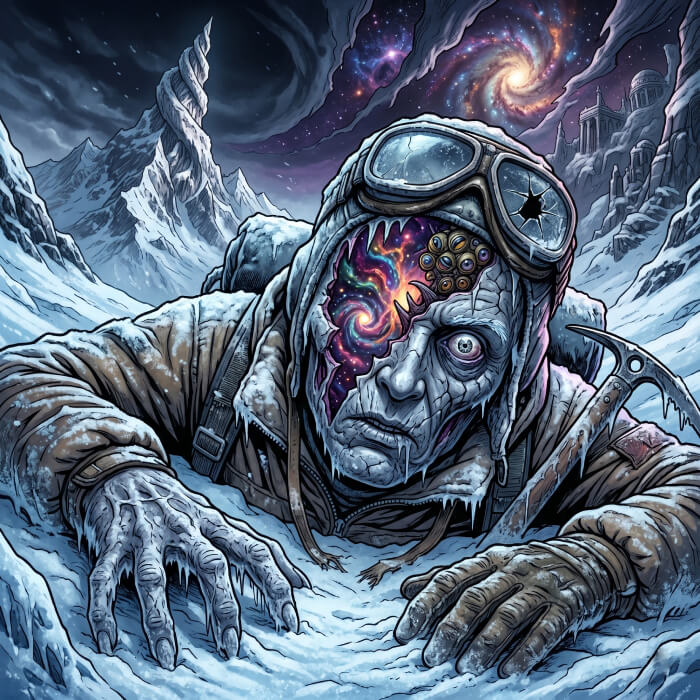
The Dead Must Stay
A logistics specialist joins a high-profile mission to recover the frozen dead of Mount Everest, expecting danger, exhaustion, and impossible conditions. But as strange disappearances mount and local warnings grow harder to ignore, he begins to suspect the mountain is hiding something far older than anyone realizes. This is a cosmic horror story about forbidden truths, ancient fears, and the chilling possibility that some things are buried for a reason.
The Window That Watched Back
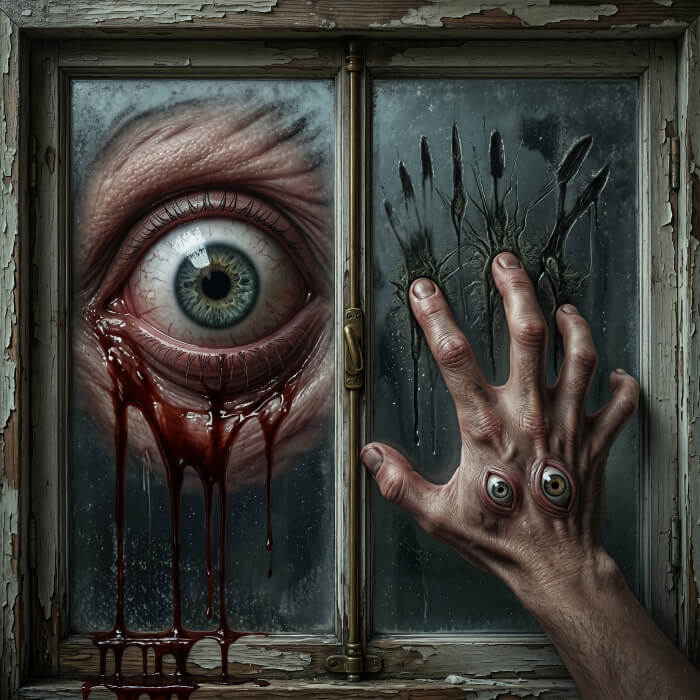
Some places don’t trap you. They keep you. In the quiet after a long walk, when exhaustion dulls instinct and darkness makes strangers of familiar paths, Oliver Bennett finds shelter where there should be none—a solitary cabin waiting in the woods like a held breath. Inside, the walls are crowded with smiling faces that feel less like decoration and more like witnesses. By morning, the faces are gone. In their place stand windows—too many, too clean, all looking out onto the same unmoving forest. No trail. No distance. No direction. Only the slow realization that the cabin is not abandoned, and never has been. The Windows That Watched Back is a psychological horror about stillness, observation, and the quiet machinery of places that do not chase their victims—because they know patience always wins.
The Second Hug
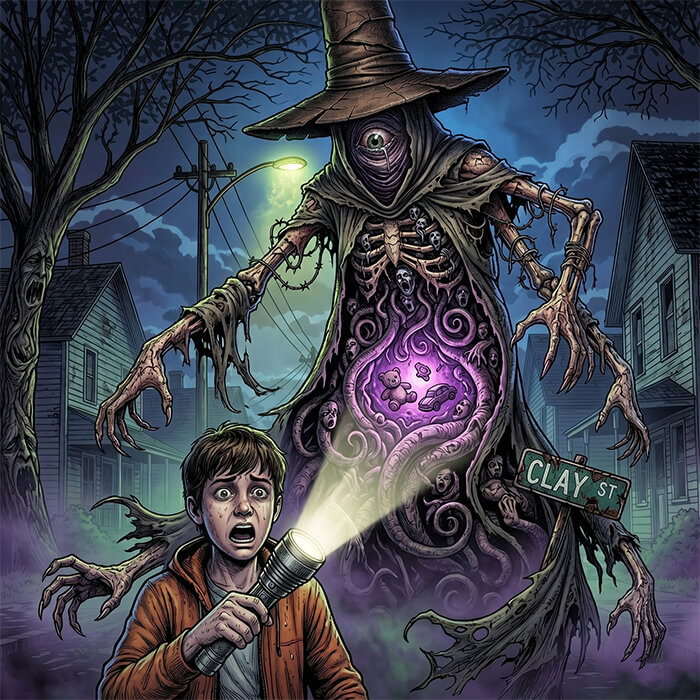
In the town of Abbeville, kids grow up hearing the same rule: be home before the streetlights stop flickering. No one explains it. Parents just say it the way people repeat something old and serious, like a warning that stopped needing reasons. James has never believed the stories. The legend of a towering woman wandering the streets at night, arms open wide, sounds like nothing more than a scare tactic for bored adults and nervous kids. So one night, determined to prove everyone wrong, he walks straight into the quietest road in town long after midnight. What he finds in the stillness of Clay Street isn’t a prank, and it isn’t a rumor. Because some rules aren’t meant to protect you from the dark… they’re meant to protect the dark from noticing you.
The Shape of Nothing
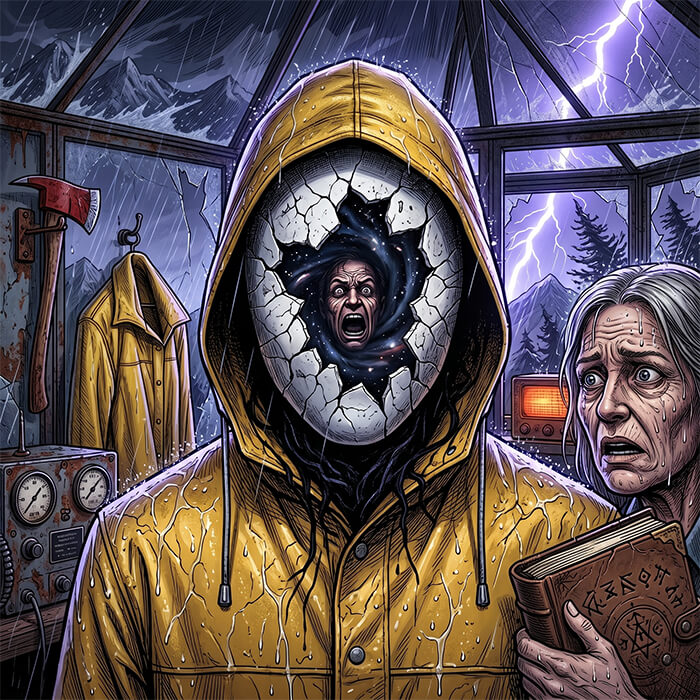
Fear isn’t always loud. Sometimes it waits in reflections, in the corners of certainty, in the things you insist don’t exist. In the isolated Fire Tower Four, skeptic Arthur dismisses legends as childish nonsense—until the storm and a companion’s warning prove that denial can be deadly. The Inverse Man is no ghost, no monster with claws or fangs. He is the void made flesh, a living absence that trades places with those who are absolutely certain he isn’t real. The Shape of Nothing is a tense, psychological horror about skepticism, cosmic rules, and the terrifying cost of certainty in a world that refuses to honor it.
The Man They Say Never Existed
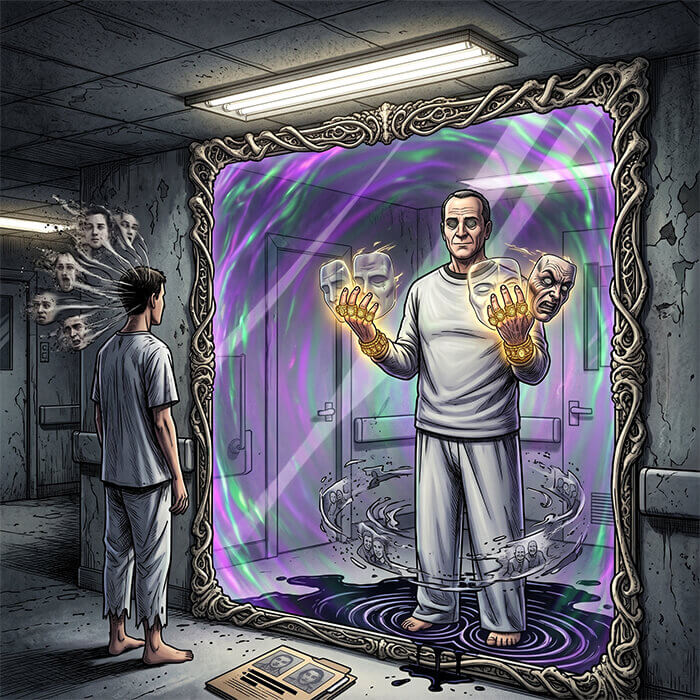
Every town has a rumor it pretends not to believe. He appears ordinary—easy to forget, impossible to ignore. If you meet his eyes, something slips away: a memory, a certainty, the feeling that your thoughts are entirely your own. People insist he isn’t real. Doctors have names for him. Files explain him neatly. But the gaps remain. As sightings accumulate and lives begin to thin at the edges, one rational mind follows the trail too closely and discovers the most dangerous truth of all: some predators don’t stalk bodies—they curate identities. The Man They Say Never Existed is a psychological horror about memory theft, institutional gaslighting, and the terror of realizing your doubts were never your own.
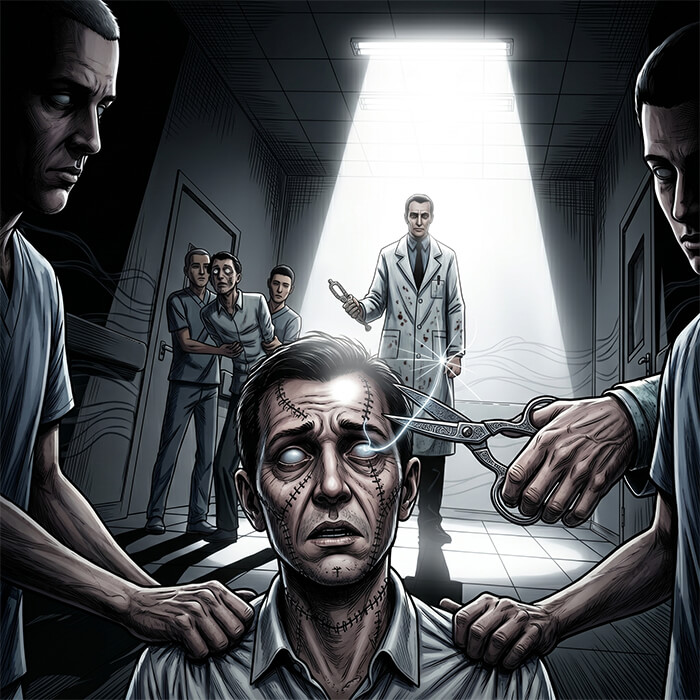
The Final Fitting
Fear is an artisan. Arthur thought he was telling a story, warning others of a monstrous tailor who reshapes souls with silver shears. But the lines between fiction and reality blur when the Tailor of Solace exists not in shadowy alleys, but in stark white corridors, under the fluorescent glare of a hospital. His instruments aren’t magical—they’re clinical. His work isn’t fantasy—it’s systematic. The Final Fitting is a psychological horror about the cost of compliance, the fragility of identity, and the terror of being measured, cut, and remade until nothing of you remains but the shape someone else designed.
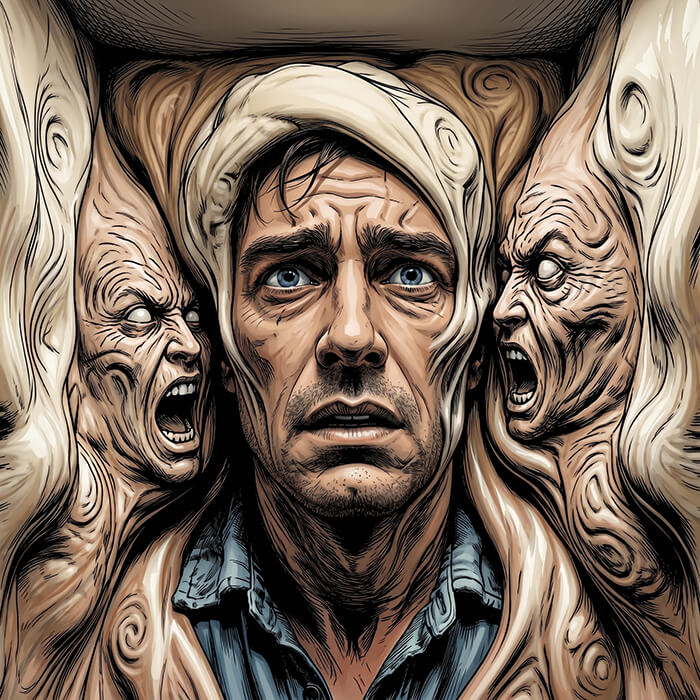
The Room That Hated Me
In Darswyn, executions are not meant to end lives—they are meant to be remembered. Callum Hargrove is condemned not to the blade, but to a perfect white room designed to punish defiance slowly. At first, it seems empty. Harmless. Then the walls begin to move. The space tightens. Time dissolves. And the truth reveals itself: the room is alive, aware, and learning him inch by inch. As pressure replaces air and whispers replace silence, Callum discovers the king’s cruelest innovation—a prison that doesn’t kill its victims. It keeps them.
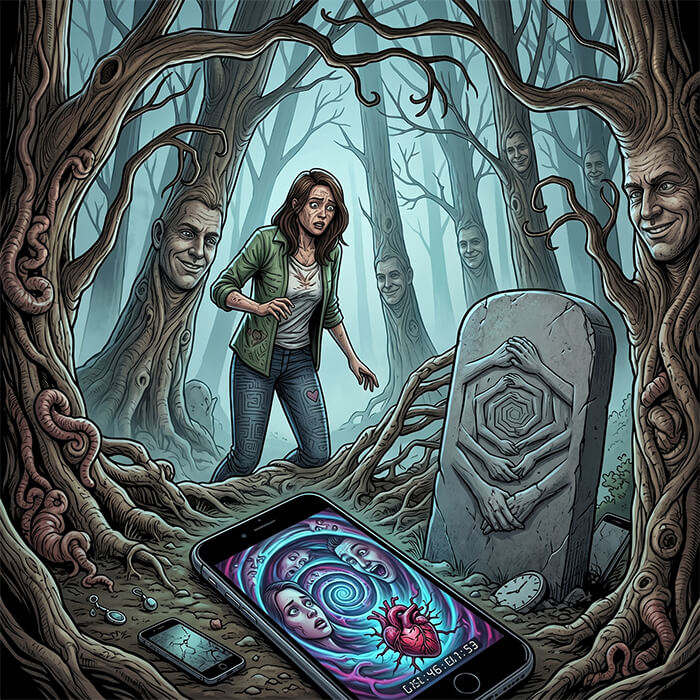
Matched, Then Missing
A dating app match offers the kind of attention that feels rare, effortless, and deeply reassuring—until intimacy begins to feel rehearsed and memory itself starts to fracture. Drawn into a relationship that seems to know her better than it should, a woman discovers that some connections don’t lead forward, but loop endlessly back to the same lonely beginning. This is a psychological horror story about repetition disguised as romance, the terror of being remembered too well, and the price of saying yes to someone who refuses to be alone.
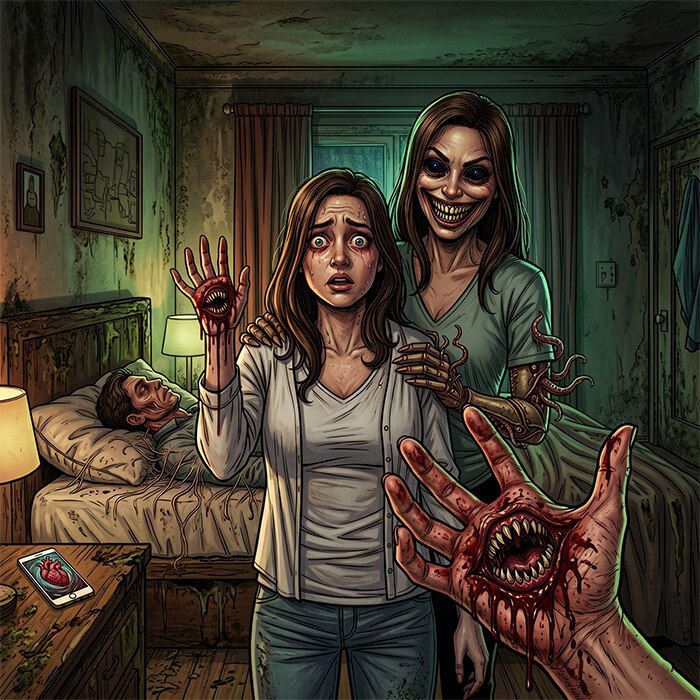
Swipe Right for Delivery
A lonely woman lets her closest friend guide her into dating, trusting the promise that hunger—like love—can be satisfied if you’re honest about it. But some hungers aren’t metaphorical, and some friends aren’t helping you find connection—they’re teaching you what you truly are. As intimacy turns ritual and desire becomes consumption, she discovers that the app was never meant to find love. This is a psychological horror story about manipulation disguised as care, inherited appetites, and the terrifying relief of finally being honest about what feeds you.
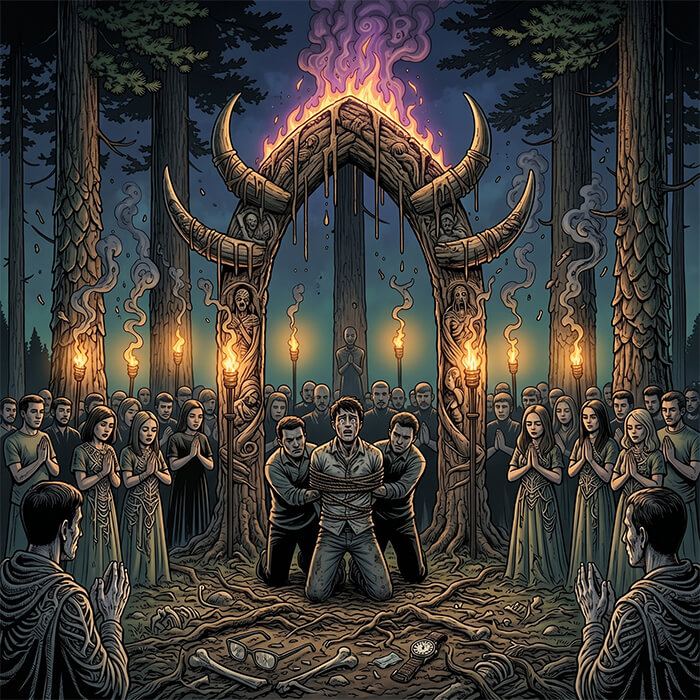
The Bonfire Wasn’t for Dancing
A lonely man searching for belonging joins a church that promises openness, community, and love—but some communities don’t reject outsiders, they reserve them. As faith blurs into ritual and inclusion comes with a price, he learns too late that being unwanted was never the danger. This is a psychological horror story about manufactured belonging, ritualized faith, and the terror of realizing you were never excluded—only saved for sacrifice.
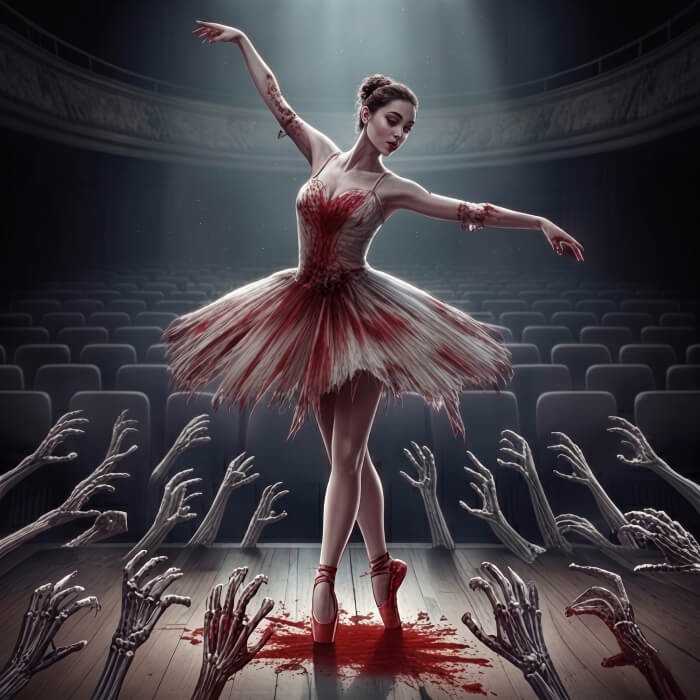
Dress Rehearsal
The performance is flawless—too flawless. Every movement lands with impossible precision, every pose held a fraction longer than comfort allows. From behind the scenes, it becomes clear that the beauty onstage is carefully managed, sustained by systems the audience will never see. As applause rises, strain builds where elegance is meant to hide it. This story descends into the unsettling space where art demands obedience, perfection overrides humanity, and the most disturbing truths are concealed behind velvet curtains and standing ovations.
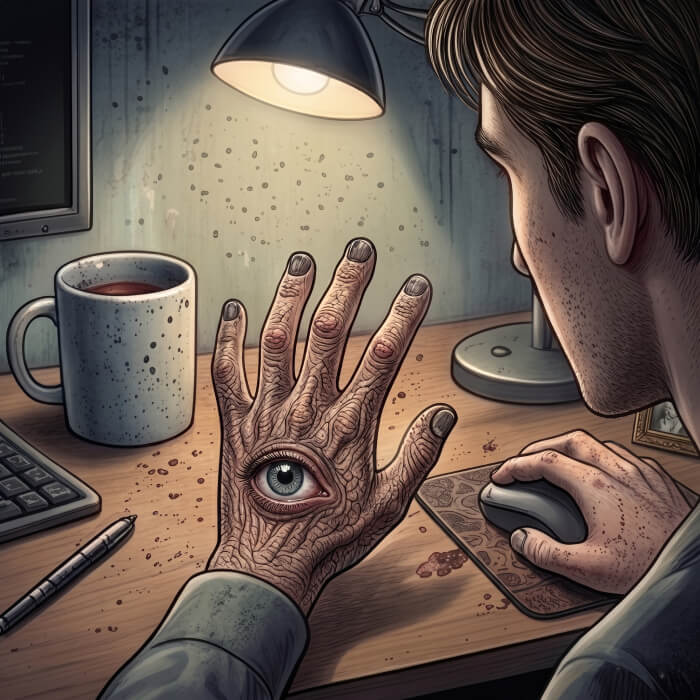
The Room that Thinks Like Me
The world still works. That’s what makes it worse. The city stands unbroken. People speak on cue. Every day unfolds exactly as it should—except for the moments that hesitate. Reflections lag behind their bodies. Rooms seem to listen. The air feels heavier when certain thoughts surface, as if the environment itself is paying attention. At first, it’s easy to ignore. To call it stress. To call it coincidence. But as the glitches begin to mirror emotion rather than action, a more unsettling possibility takes shape: the world may not be responding to reality—it may be responding to him. The Room That Thinks Like Me is a quiet psychological horror about solipsism, simulated existence, and the unbearable suspicion that loneliness isn’t a side effect of the system—it’s the design.
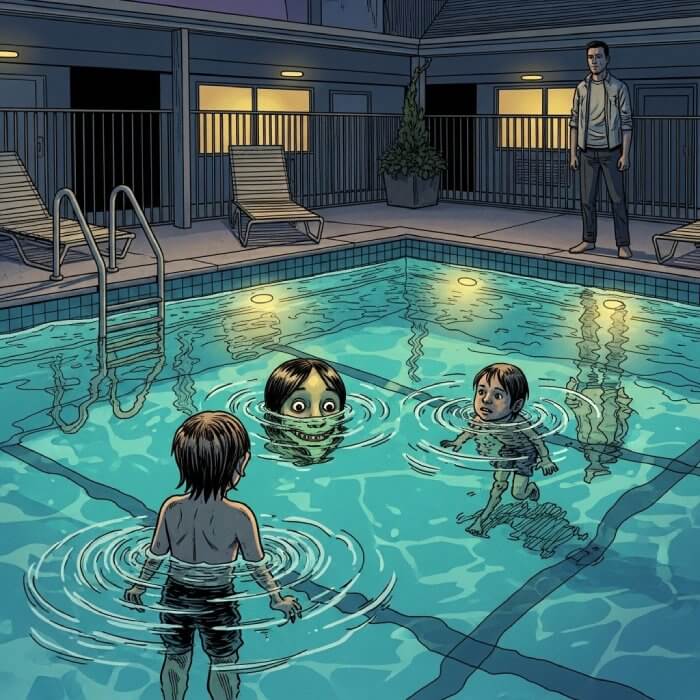
Surface Tension
Surface Tension is a quiet, devastating horror story set during a family road trip that should have been forgettable. At a nearly empty motel pool, two brothers break the rules the way kids always do—laughing, splashing, pushing their luck while the sun lingers overhead. What begins as harmless play slowly gives way to unease when something unfamiliar appears beneath the water’s surface. The story unfolds through a child’s perspective, capturing the confusion and fear of realizing that adults sometimes know far more than they admit. The pool becomes a liminal space—part playground, part threshold—where reflections don’t behave as they should and attention feels heavy, invasive, and hungry. The horror isn’t loud or fast; it builds through subtle sensory details, distorted reflections, and the creeping sense that being noticed can be dangerous. At its core, explores themes of inheritance, silence, and the terrifying cost of survival. It asks what children are protected from, what they’re prepared for, and what waits patiently beneath the calm surface of ordinary places. Tense, atmospheric, and deeply unsettling, this story lingers like the memory of cold water closing over your skin—quiet, inevitable, and impossible to forget.
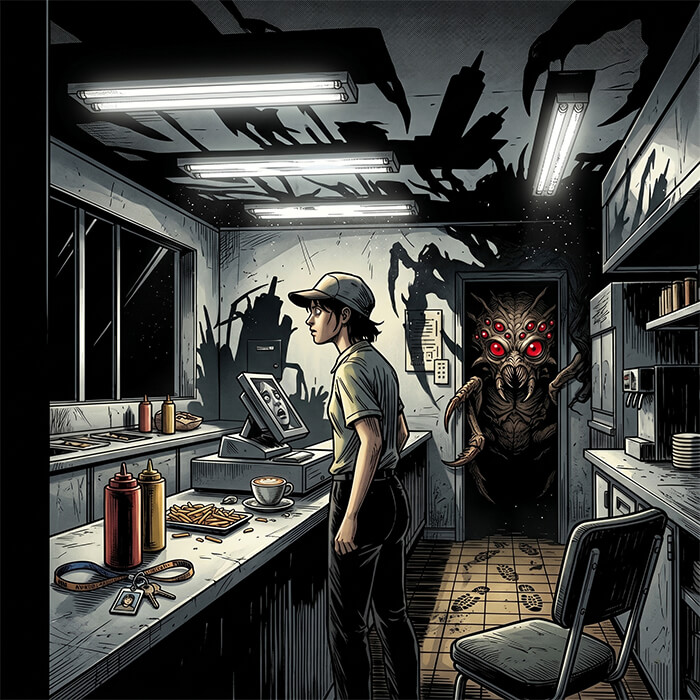
After Closing
Nothing happens after closing—until it does. The night shift is supposed to be empty. Fluorescent lights, humming fryers, the comfort of routine. The narrator knows every sound the restaurant makes when it’s alone. That’s how they notice when something is wrong. A chair isn’t where it was left. A smell lingers too long. Personal items feel… handled. Not stolen. Adjusted. As if someone has been there long enough to learn what matters—and what won’t be missed. There’s no crash. No confrontation. Just the growing certainty that the space isn’t empty anymore. That someone is watching from inside the routine, memorizing habits, waiting for the right moment to stay unseen. After Closing is a grounded psychological horror about violated boundaries, observed routines, and the quiet terror of realizing that safety can be dismantled without ever being announced. Some places don’t feel haunted. They feel occupied.
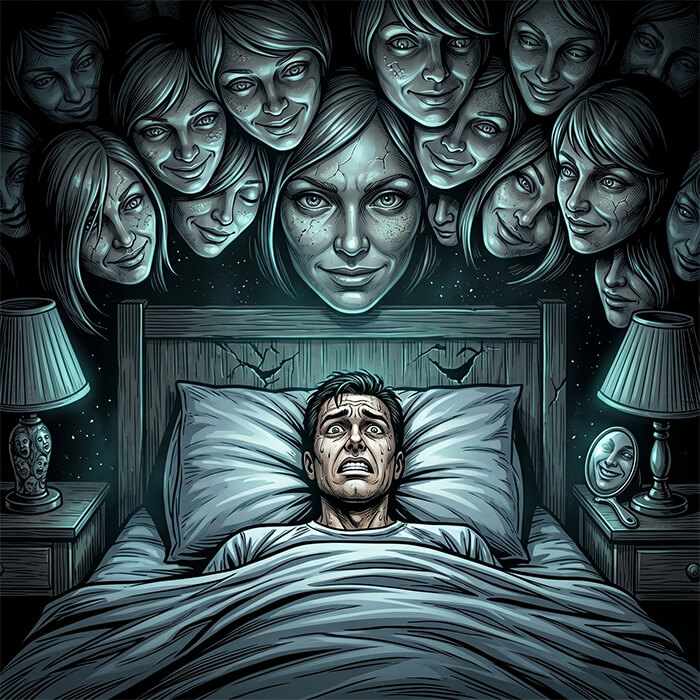
The Ones Who Lean In
You’re never more vulnerable than when you can’t move. Jonah wakes every night trapped inside his own body, lungs working, eyes open, while something stands just beyond his reach. Faces hover in the dark—familiar, smiling, patient. Doctors call it sleep paralysis. Stress. Hallucination. Jonah tries to believe them. But the faces keep coming back. They lean closer. They linger longer. And they don’t feel imagined—they feel expectant. As exhaustion erodes the boundary between waking and dreaming, Jonah begins to notice the same unease bleeding into daylight. Reflections hesitate. Conversations feel watched. The night doesn’t end when morning comes. The Ones Who Lean In is a quiet psychological horror about helplessness, exposure, and the terror of being observed by something that has no need to hurry. Some horrors don’t chase you. They wait until you’re still enough to notice them.
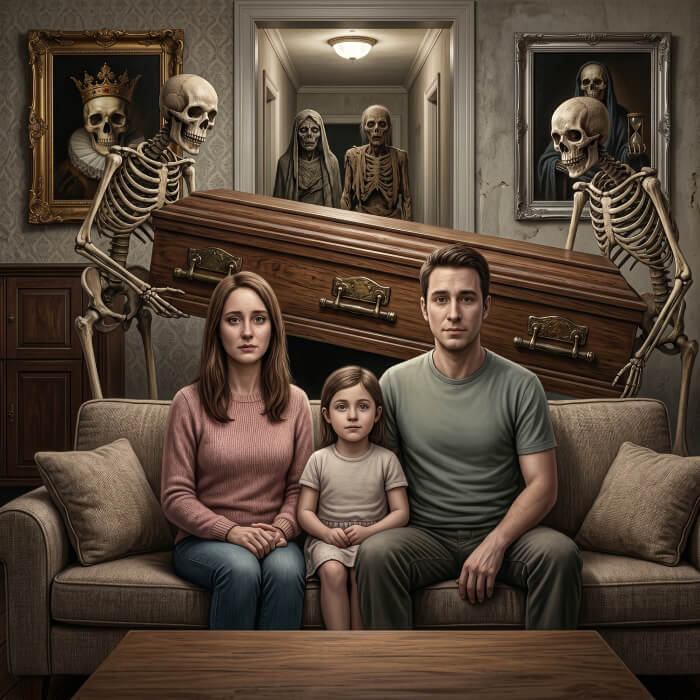
What Stayed Dead
Grief doesn’t fade—it waits. When the narrator meets Sarah in a room built for mourning, their connection feels like salvation. She understands loss in a way no one else does. And she knows a secret cure for it. A way to undo death itself. At first, the resurrected seem unchanged. Quiet. Devoted. Grateful to be alive. But love without resistance begins to feel wrong, and comfort without choice becomes suffocating. As the narrator watches the dead return—and stay—an unsettling truth surfaces: what comes back is not what was lost, and what stays alive may no longer be free. What Stayed Dead is a tale about grief turned into leverage, love twisted into compliance, and the unbearable realization that some doors should never be reopened—because not everything that dies is meant to come back.
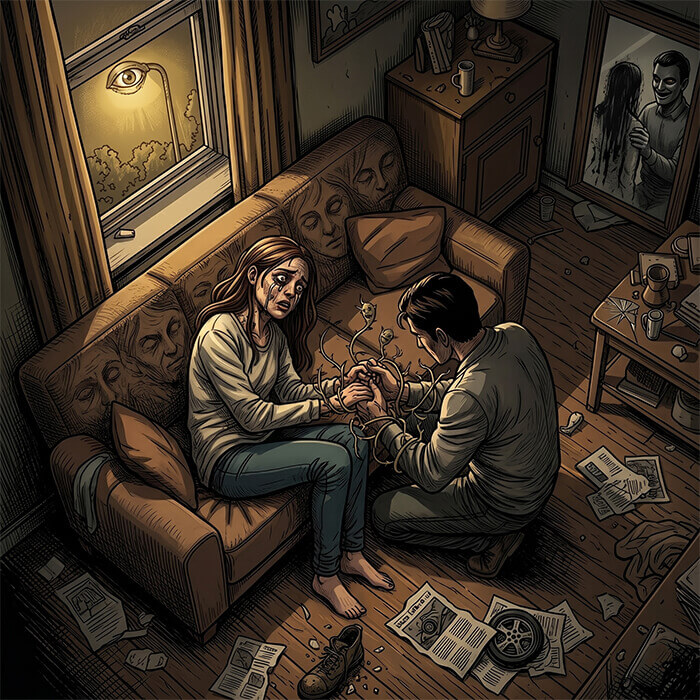
Staying Close
Love makes a convincing excuse. After the crash, Lena can’t stop crying. She doesn’t remember what happened—not clearly—and that’s fine. The narrator remembers enough for both of them. Enough to keep her calm. Enough to keep her close. Enough to make the night quieter. As hours pass, Lena’s fear grows sharper, her questions more dangerous. The narrator answers them with reassurance, with restraint, with hands that never mean to hurt. Every decision is framed as protection. Every act of control is called care. And guilt is smoothed over with the certainty that this is what love looks like when it’s necessary. This is a psychological horror about devotion turned delusion, memory reshaped into justification, and the unbearable intimacy of being trapped inside a mind that believes violence is mercy. There are no monsters in the dark—only the quiet terror of someone who truly thinks they’re doing the right thing.
Why Our Paranormal Horror Collection Stands Out
Not all paranormal horror is created equal. We curate only the most chilling paranormal tales that deliver real scares—no filler, no clickbait. From quick paranormal nightmares you can finish on your lunch break to deep-dive paranormal mysteries that will haunt you for days, every story earns its place here. Audio versions available for when reading feels too risky, and 100% free forever because great horror shouldn't hide behind a paywall.
Curated Paranormal Stories Only
Every paranormal story is hand-picked for quality. We read through hundreds to bring you only the best paranormal horror worth your time.
Premium Audio Experience
Professionally narrated paranormal stories with atmospheric sound design. Close your eyes and let the terror wash over you.
Quick Scares to Epic Tales
From 5-minute paranormal frights to hour-long paranormal epics. Perfect whether you need a quick fix or want to lose yourself completely.
Read Anywhere, Anytime
Mobile-optimized paranormal horror that works perfectly on any device. Bookmark your favorites and pick up exactly where you left off.
Looking for specific paranormal vibes? Our collection spans everything from slow-burn paranormal dread to in-your-face paranormal terror. Whether you want realistic paranormal scenarios that could actually happen or supernatural paranormal nightmares from beyond, we have you covered.
New to paranormal horror? Start with our most popular paranormal stories and work your way up. Seasoned veteran? Dive into our lesser-known paranormal gems that other sites overlook. Either way, ShortHorrorStories.net delivers paranormal scares that stick with you long after you close the tab.
High-Quality Audio
Professional narration with immersive sound effects
Regular Updates
New Paranormal stories added weekly
Curated Selection
Hand-picked stories for maximum terror